
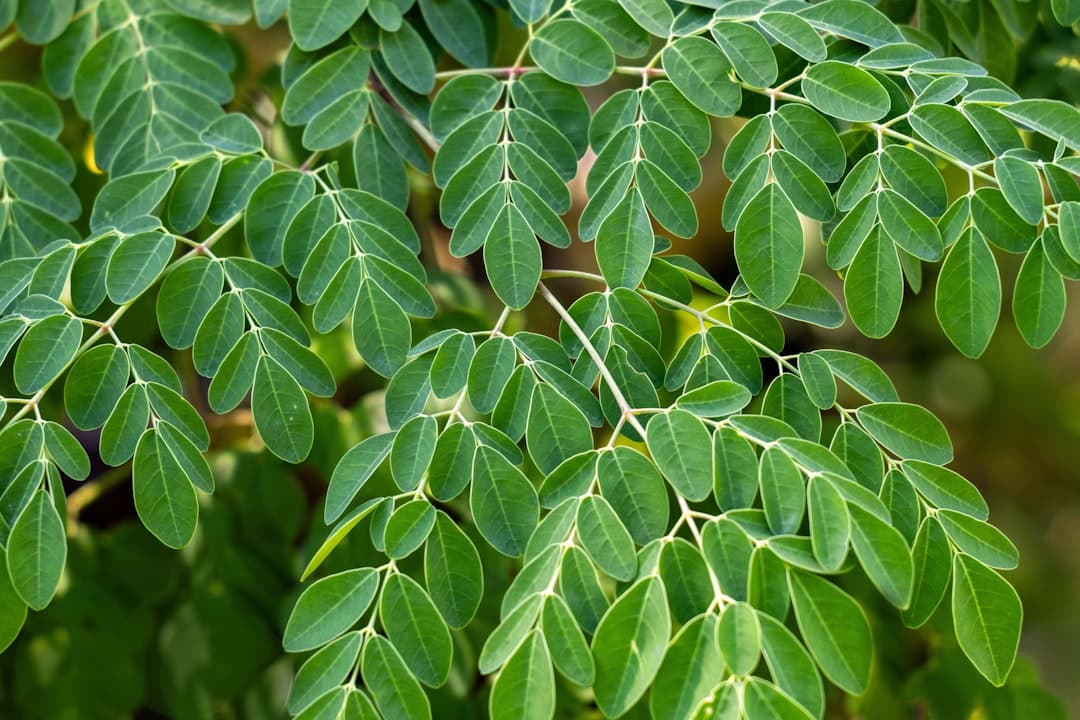
Madagascar Moringa Powder: Benefits and Everyday Use
Known as the “miracle tree”, Moringa oleifera is prized for two very different products: an oil, extracted from its seeds, and a powder, made by drying and grinding its leaves. It’s the latter — rich and versatile — that’s increasingly finding its way into everyday cooking and food supplements.
A leaf powder, not an oil
Unlike Moringa oil, extracted from the seeds and mainly used on skin and hair, Madagascar Moringa powder comes from dried, finely ground leaves. It’s eaten directly, mixed into food, to benefit from its concentrated nutritional richness: vitamins, minerals and plant protein packed into a powder with a mildly grassy taste.
How to work it into your daily routine
Moringa powder blends easily into many dishes without overpowering them, as long as it’s used in moderation. Try a teaspoon stirred into a morning smoothie or fruit juice, sprinkled over a salad or a bowl of vegetables, or folded into bread dough, a soup or a yoghurt at the end of preparation to preserve nutrients that are sensitive to heat.
How to choose and store it well
Good-quality Moringa powder should be a vivid green, a sign of fast, low-temperature drying that preserves its nutrients. A dull or brownish colour usually points to slower drying or prolonged exposure to light. Store it in an airtight container, away from light and moisture, to keep its colour and nutritional qualities for as long as possible.
Powder or oil: how to choose
Though they come from the same plant, the two products serve different purposes. Leaf powder is used in cooking and as a food supplement for its nutritional benefits; the oil, extracted from the seeds, is used more in cosmetics, on skin and hair. Nothing stops you combining both, depending on what you need.
Frequently asked questions
What does Moringa powder taste like?
Its flavour is mildly grassy and earthy, similar to some green vegetable powders. It blends easily into a sweet smoothie or a well-seasoned savoury dish.
How much per day?
One to two teaspoons a day is generally enough for everyday dietary use, best spread across meals rather than taken all at once.
Can Moringa powder be cooked?
It’s best added at the end of cooking or used in cold preparations, as prolonged heat can degrade some of its vitamins.